For my final project, I focused on the topic of travel and social media, and looking how certain travel companies have adapted to society being more technologically based. I analyzed the Ritz Carlton hotel instagram as my main text, due to the page’s multimodality; the way the photos are taken, as well as the writing of the comments. Using powerpoint, I was able to annotate all my photos, and supplement with text and other sources. I brought in sources that discussed the success of places, like hotels, through using social media, and why they decided to use it. I also talked about the relationship between these companies and social media influencers. Lastly, I examined aspects like terministic screens and demographics within their social media usage.
Final Words Blog Post
In taking this class, I have connected to the topics of travel, and really enjoyed learning about something that relates to my everyday life. Seeing the different ways that travel interacts with topics of social media, gender, race, sexuality, etc. has been a very enlightening experience.

Before this class, I did not enjoy writing a very structural essay, based off books I didn’t understand or enjoy. In this class, I was able to get more comfortable writing about topics that I had an actual interest in. I think that the week of travel and social media was one of my favorites, as social media is something that has become so influential in our everyday lives. In watching videos like “Incredible India”, I realized that how you showcase a place, play a large role in stereotypes, and how misconceptions of a place continue to grow. I haven’t been able to travel very much outside of the US, and although I have experienced different cultures and lifestyles, I have
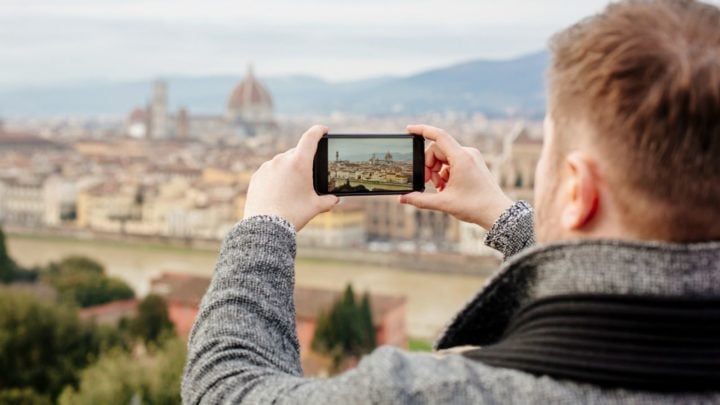
only gotten to see a small piece of what traveling really exposes us to, and the many controversies that it has created. My knowledge of travel has grown greatly, through this class, and has showed me how to be a conscious traveler and respect other cultures and the environment. It have seen the influence of social media, and how it has skewed our view of travel. It opened my eyes to see how race and sexuality has created many issues within the travel industry; many of these problems were things that I had no idea existed. For example, the article we read on the many troubles that transgender people have to endure while traveling. Travel has been a very mystified aspect for me, and I have created all of these expectations of what it should be like, but this class has helped me understand that what I have seen is someone else’s terministic screens. I need to go, make my own experiences, and observations to determine what travel, and all the different aspects of it, mean to me.
I have always considered rhetoric to simply be the art of persuasion using the written word, but it is more complex than that. It is actually a concept that is used daily. Multimodality was a very impactful concept for me, as I was then able to notice it in all my normal activities; reading articles, watching a commercial, reading a science text book and so much more. There are things like ethos, pathos, and logos, which appeal to the emotions, logic and ethics of the audience for an even deeper connection; you need to know your audience to fully resonate with them. Not only is rhetoric centered around language, but visual rhetoric is also a large aspect in how people can perceive a message. My definition of rhetoric has evolved to be the tools used to effectively communicate a message, and make your audience believe and connect with what you are representing. Another large concept that I have learned in this class is that there is always no clear cut definition or instruction; we all interpret and perceive things different and we need to embrace that idea.

The most challenging part of this class had to be transitioning onto an online setting when this class is designed to be face-to-face. For me, conversation seemed to be more awkward, as we didn’t get the chance to fully connect before we had to leave school. Having that human connection, seeing how a person reacts, their facial expression, body language, all play a role in how we deliver and understand what someone is saying, and that aspect wasn’t present in this video chat setting. A challenge that I was able to overcome was speaking in public about a topic that isn’t my focused major. I have always had a hard time critically thinking in my English classes, but after a few weeks, I was able to gain the confidence and the knowledge to actually want to speak and say my opinion.
I think it is important to read, write and think rhetorically to get your audience’s attention and captivate them. You want to involve all of the senses in order for those people to be

motivated and inspired based on how you can manipulate semantics. It allows for greater understanding and interpretation, and for multiple layers to be seen.
I think its important
Final Project: New Text Inquiry
For my final project, I focused on the topic of travel and social media, and looking how certain travel companies have adapted to society being more technologically based. I analyzed the Ritz Carlton hotel instagram as my main text, due to the page’s multimodality; the way the photos are taken, as well as the writing of the comments. Using powerpoint, I was able to annotate all my photos, and supplement with text and other sources. I brought in sources that discussed the success of places, like hotels, through using social media, and why they decided to use it. I also talked about the relationship between these companies and social media influencers. Lastly, I examined aspects like terministic screens and demographics within their social media usage.
Re-write Article
Instagram is a very impactful platform to be able to share ideas about fashion, travel, food, politics, and so much more, and the way these ideas are communicated can be very controversial. This occurs especially when it comes to traveling to a certain place and representing it in the best way possible. Social media influencers have become an outlet for inspiration, and through that have motivated travel companies to use their platform and following as ways to reach out to more people.
One account that I have been following for a while now, a fashion blogger named @tesschristine, not only posts about fashion, but she is also seen posing in many exotic, far away travel destinations. She has a very large audience, mostly younger girls who are inspired by fashion.
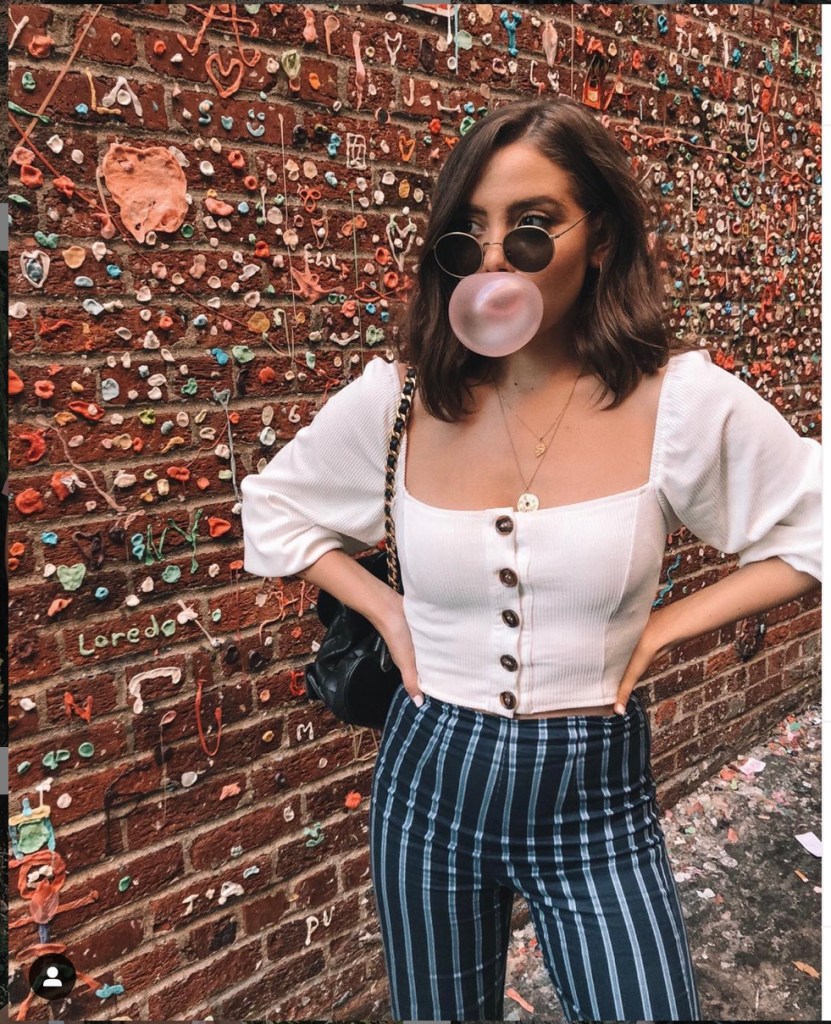
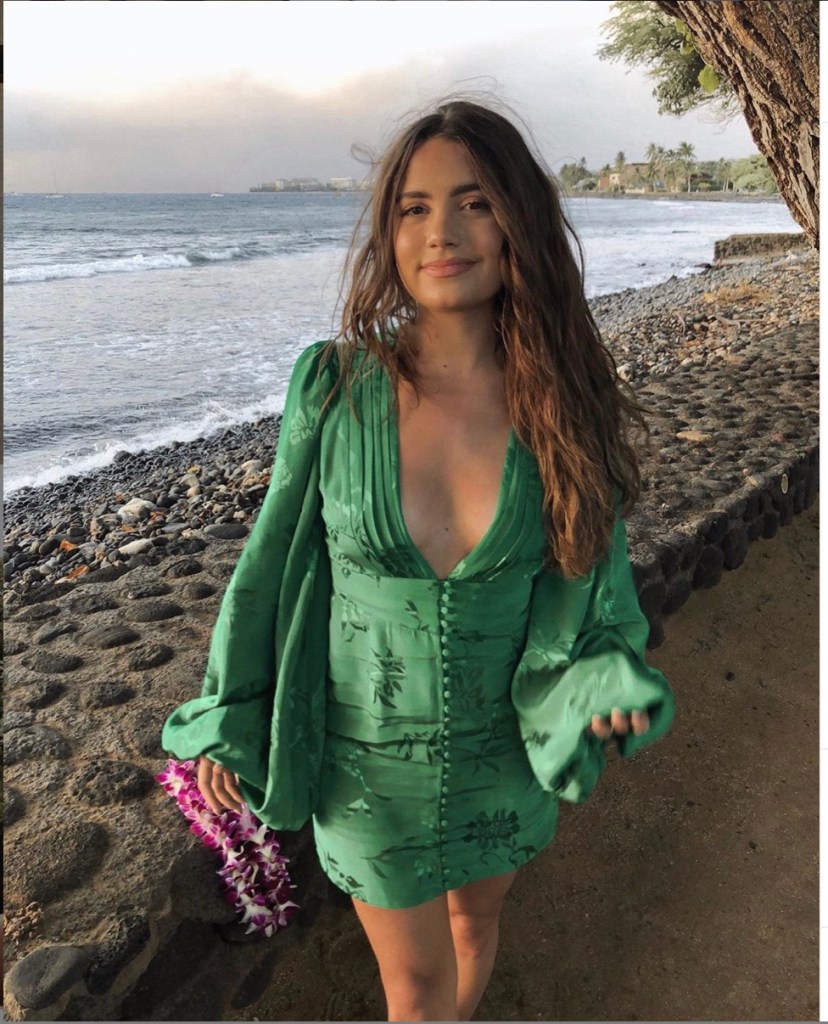
She has spoken about how her job allows her the ability to travel and reveal her experience with her audience. But when she does make posts highlighting these places, it’s normally a photo of her, in a classic, stereotypical scene based on the city or country she is in. In a series of photos from Hawaii, she is seen posing on top of a Jeep, and in another she is standing in front of the beach during a sunset, with a “wind blown” hair-do. And when traveling to places like Washington, she posts a photo of her shopping in Pike Place Market, and standing next to the gum wall, both of these things being expected, touristic places to visit. Her interpretation of these places play into the societal standards we have associated with them, and the things we absolutely have to do when we go there, not showing us the full spectrum, of experience.
Being a white, American, female could also be factor in what she decides to post, and how she decides to portray herself on Instagram. Her status would seem to attract many followers, especially international ones who want to see different parts of the US. But, I believe as an American influencer, she has the responsibility to represent all parts of her country equally. Social media tends to form a screen where honesty isn’t a primary influence in posts and comments.
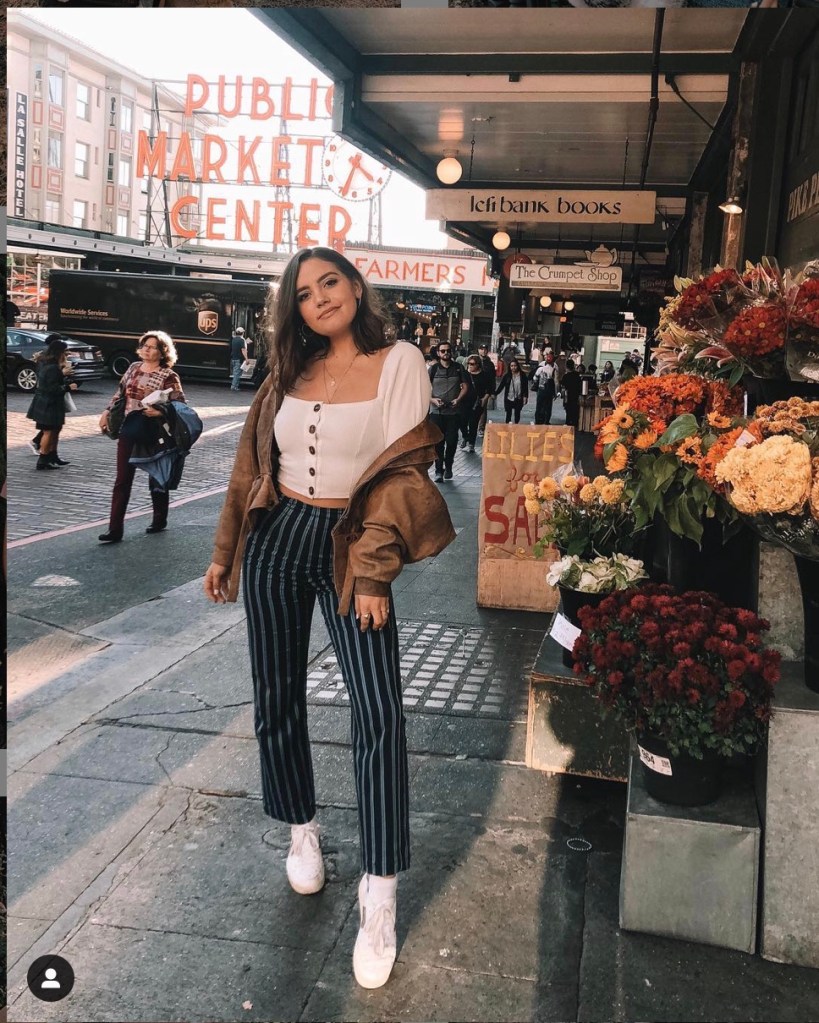
To make the post of her traveling to Washington more sensitive and inclusive, she could post photos of herself interacting with vendors in the market, and speaking with them. I always see people post photos in front of the market, but never actually see the inside where all of the culture exists. She could also post photos that aren’t super touristic, and ones that showcase the everyday lives of the people living there, allowing for the diversity of a place to shine through. Being a fashion blogger, she could post a photo of herself in certain clothing in the first, and then in the other photos, have more scenic views of the place in order to highlight the clothing, but also the place she is traveling to.
In her post regarding Hawaii, she only showed herself on a Jeep and in front of the beach, her audience barely able to see the actual island itself. She could show herself trying something new, like trying a native food, going on a hike, participating in a cultural experience, or speaking to an islander. These posts influence anyone who is thinking of traveling to these places, and she should be showing the full experience of the island, and not just the idea that there are beaches and rentable jeeps. This plays into the ideas of Orientalism, as it construes the image of a place to be a certain way based off pre-made stereotypes. It could also be interesting to shoot a short video of doing something on the island, making it easier for the audience to connect with what she is doing.

An instagram that I have found that seems to be more inclusive regarding these destinations would be @ladyslider. She forms posts about the people of Hawaii, while also providing insight into the nature aspects, that tourists don’t advertise. She shares photos of other native Hawaiians, and describes their role in society. Her captions embody the idea that she is very raw, and real with her followers, and is very honest about what she decides to share.
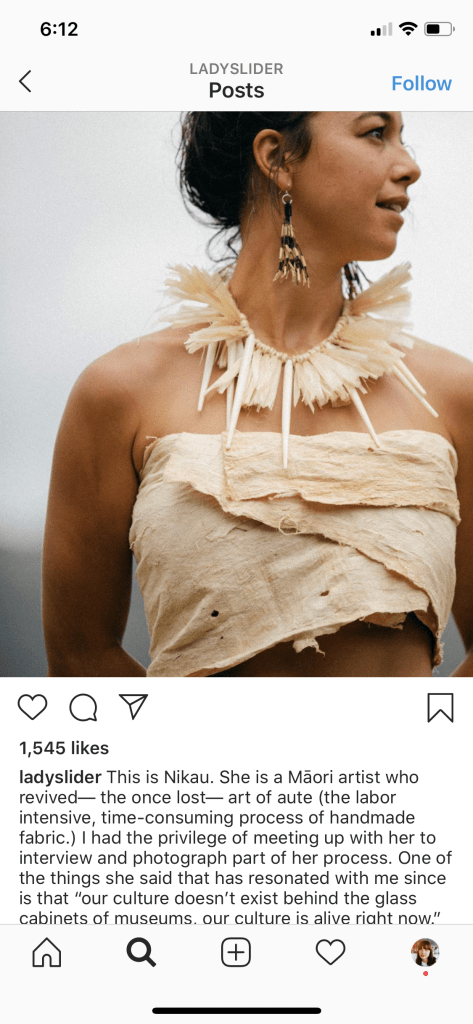
These revised posts would be more inclusive as they aren’t based on the stereotypes that society has created. They are able to allow her to take other peoples experiences into account, and still do her job of showcasing certain fashion trends. It highlights the actual place she is traveling to and the people who live there, showing that there is more than what her audience might think there is. Research and actual experience is very important to share on such a large platform, as well as understanding the influence that you have. One should show be able to show the beautiful parts, but also the real parts.
Multimodality Blog Post
In most articles I read, advertisement or commercial, they always seem to have a way of drawing me in. Whether it be from the over exaggerated acting, overly bright colors, or a genuine story, the people who produce them have determined a way to secure our awareness.

Creators consistently use a very impactful tool called multimodality. In utilizing this tool, they capture the attention of their audience and stimulate all of their senses to communicate their message in the most efficient way possible. Multimodality incorporates a variety of resources including photos and diagrams, bright colors, font styles, and music to create a piece of work that makes the experience fully and sensorially enjoyable. (“Multimodality”) This is probably why high school science and history textbooks have so many diagrams and photos; they help to make the learning experience that more invigorating.

After watching the United Airlines Safety Video, I experienced the effect of multimodality and how it can be used to negatively impact the communication of a message.
Normally, the efforts of an airline safety video is to emphasize proper behavior one should have when on the aircraft, how to handle yourself during an emergency, and where to find the materials needed to deal with the emergency. Although video of this nature can be pretty boring, yet informative, it must be provided to ensure the safety of everyone on board.
Due to the stigma that most safety videos have, United saw the opportunity to make their safety video more stimulating, while capturing the culture of the many places they travel. Throughout the video, the flight attendants read off all of the normal safety procedures, but to a background of different countries. In one shot, an attendant was talking about smoking in the aircraft in an Indian Market, while another spoke about breathing masks in a German celebration. I think that United had positive intentions in mind, but I don’t think the two messages go hand in hand. They saw a way to use multimodality to excite the passenger, and keep them focused, but it in fact seemed to take away from the message and promote something that wasn’t relevant in this situation.
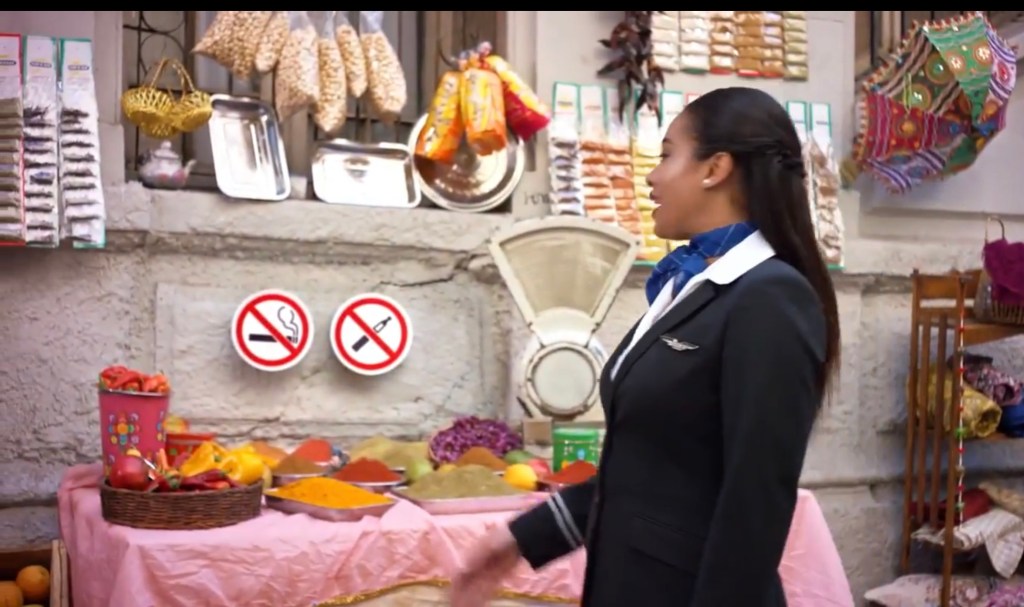
The video barely referenced the actual aircraft and where certain safety features would be located. The background in each instance was very distracting with bright colors and loud sounds, making it difficult to focus on what they were saying, especially in the opening scene during the festival. This is most likely the only instruction and information most people traveling will receive, and it is important to make sure that they are able to comprehend what they are saying.
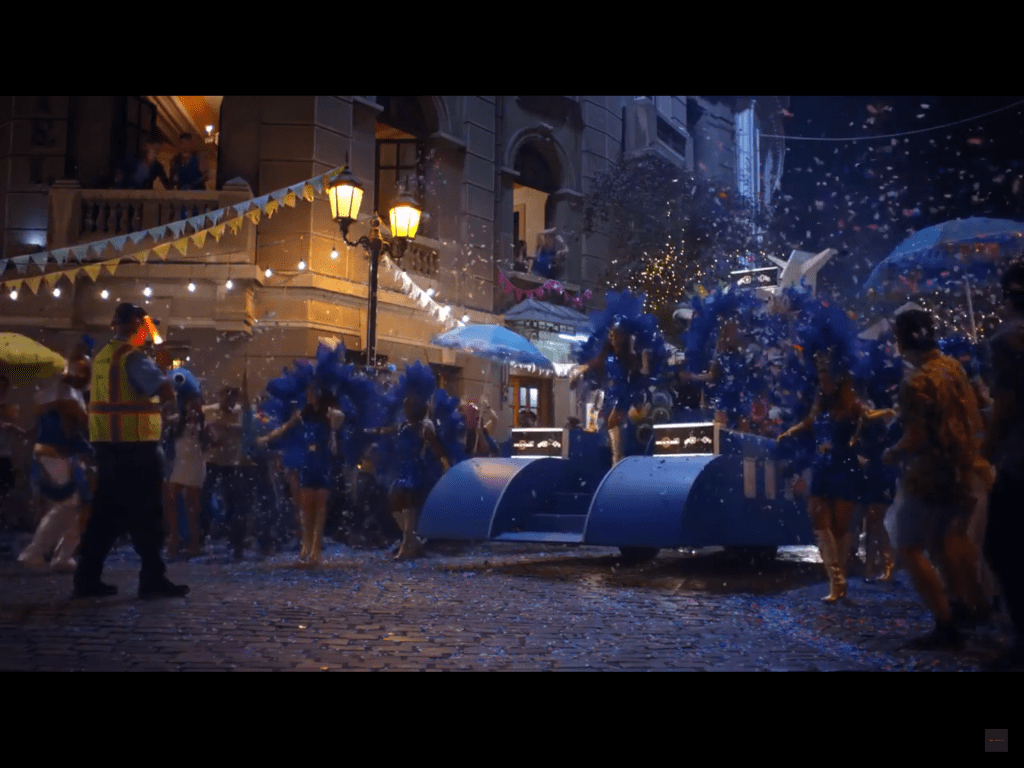
They also played into very stereotypical aspects of each country that was mentioned and didn’t fully represent all who live and travel to these different countries. It was very commercialized, playing into the fun, exciting moments of traveling and were focused on the tourism aspect; they use our knowledge a culture in a superficial way, just so that they people watching could relate. Even though they utilized multimodality, the execution wasn’t effective for the topic at hand. Multimodality is about using different representations or modes of communication to stimulate the interplay of a specific idea.
In a multimodality article from College Composition and Communication, it states, “(multimodality) reminds us… of the many ways we create meaning.” (Multimodality) I think that United actually took away from the meaning of the video as well as the interpretation and intention of the video. It did not effectively inform the passengers of what to do in an emergency situation. The language and tone of this video definitely did not encompass the seriousness of the topic; as the article, “Concepts we Live By” says,”We act according to the way we see things.” (Lakoff, Johnson 5) Since this video doesn’t appear to be taking airplane safety seriously, why should they expect those watching to take it seriously as well?
An article by New York magazine discussed why airlines are using these tactics. In the article, they shared that although the main point of these videos is to talk about safety, their secondary purpose if for marketing, revealing that they have an underlying motive to keep us watching. This emphasizes that they aren’t taking the safety aspect as seriously as they could be.
The casualness of this video doesn’t stress the seriousness of being knowledgeable about safety enough to make an impact. Multimodality is meant to enhance a piece of work, and intertwine the uses to express one united message. This video blurred the execution and the message.
Autoethnography
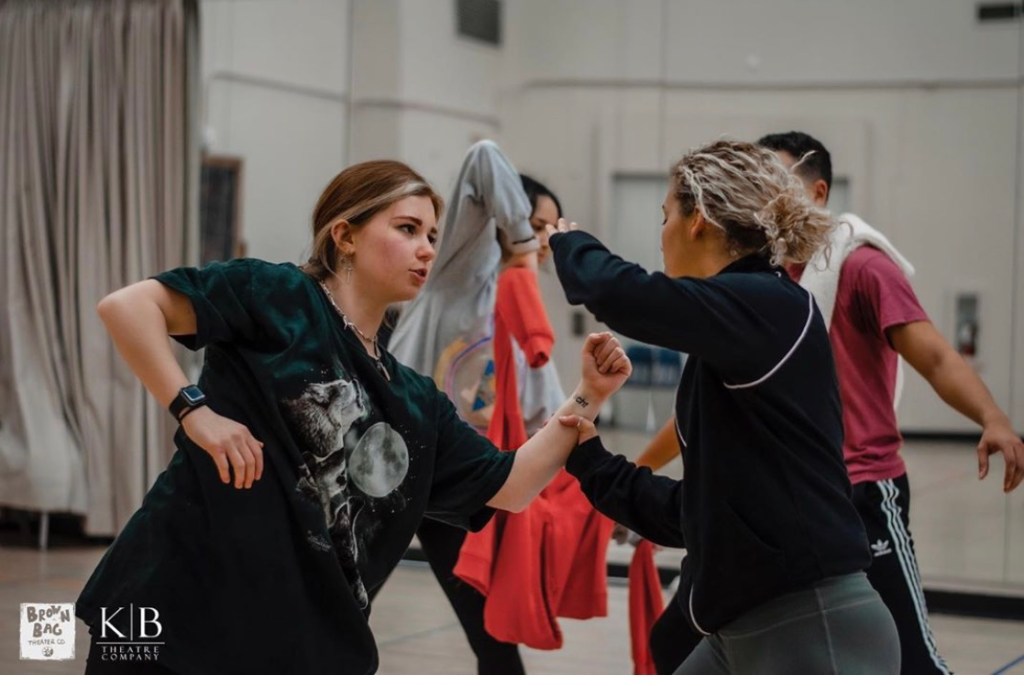
Walking into the rehearsal room, I felt very out of place, like I was intruding on something very special. It was organized chaos. The movement of dancers, videographers, designers, and choreographers, all working together in synchronicity. I immediately felt a sense of community, and togetherness, all of them stretching in a circle, and discussing how the next hour and a half run through was going to go. These dancers were so different from my peers, dressed in sweats, with one pant leg rolled up to their knee the other one down, socks black on the bottom from sliding their feet across the floor, hair falling in their faces, due to the intensity of their movement. The room was similar to a studio, small and cramped, but they worked with what they could, the smell of sweat and perfume lingering. There were mirrors along the side of one wall, the outer edges completely fogged up from the sweat and heavy breathing. I squeezed myself far into a corner, far out of view from the recording camera, where I observed and took notes. While viewing the performance, I was overwhelmed, reacting to the intense music, and the emotive movement. I am only familiar with looking at a whiteboard and computer screen all day. It allowed me to view a piece of work that unfolded before me, and held meaning and purpose, rather than numbers or facts.
Through my observations, I was able to see the work and process that goes into choreography, staging, music selection and much more. I was able to compare it to my everyday life of being a physiology major. By interviewing my sister and doing some research, I was able to dive deeper into the mind set behind being a dancer. I learned what they have to go through daily, and what it means to study that subject, versus a more academic based subject. I have heard many point of views of what a college dancers life really is, and I wanted to reveal my discoveries. Through this experience, I saw that as college students we are all striving to earn a degree, but the journey is very diversified and is a unique experience for each student based on the level of excellence no matter what subject.
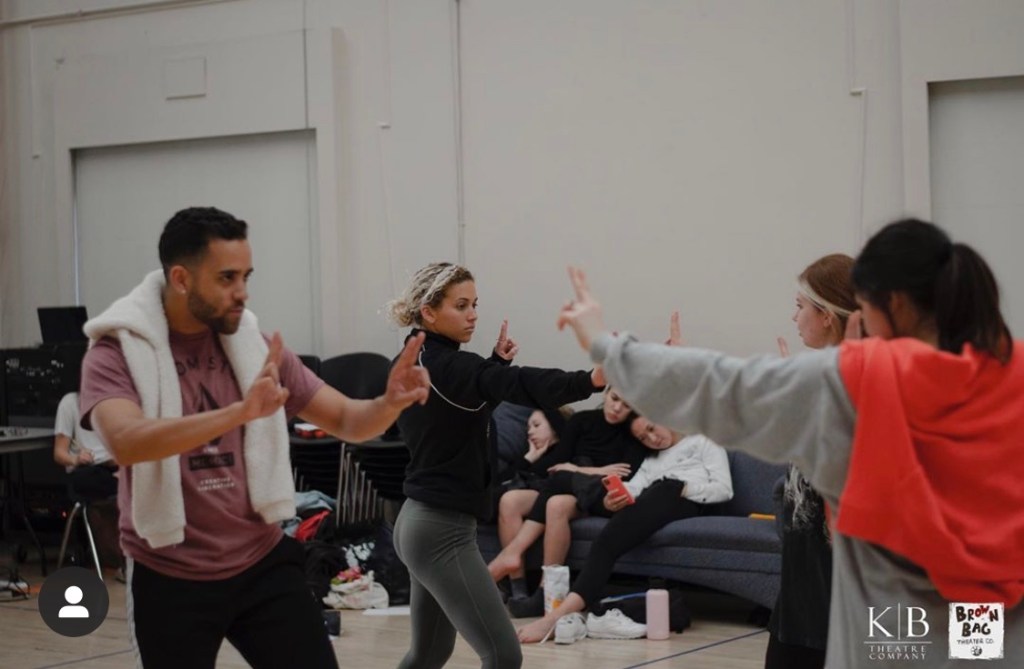
I have seen many dance performances, however, they were the final outcome or production of the work. It was most interesting to see the raw process, the real effort that it takes to produce a cohesive show and effectively produce a message, all while keeping the audience’s attention. Not only must the director and choreographer adhere to their own vision, they also have to consider the reaction and perception of their audience. There have been times where I have gone to see a show where I had felt no connection at all, and yet there have been other times where I would be fully absorbed, emotional and crying by the end. The rehearsal revealed the amount of people that are needed to create and produce this type of show; it is a way to bring people from all different artistic majors together and form a collaborative process that helps all of them learn. This was my sister’s first time working together with actors and dancers, another interesting aspect to view in how a director and choreographer need to make decisions about what needs to happen. It seems more difficult than just working in a group lab, as the topic at hand is a more touchy, personal subject that has to be dealt with greater sensitivity.
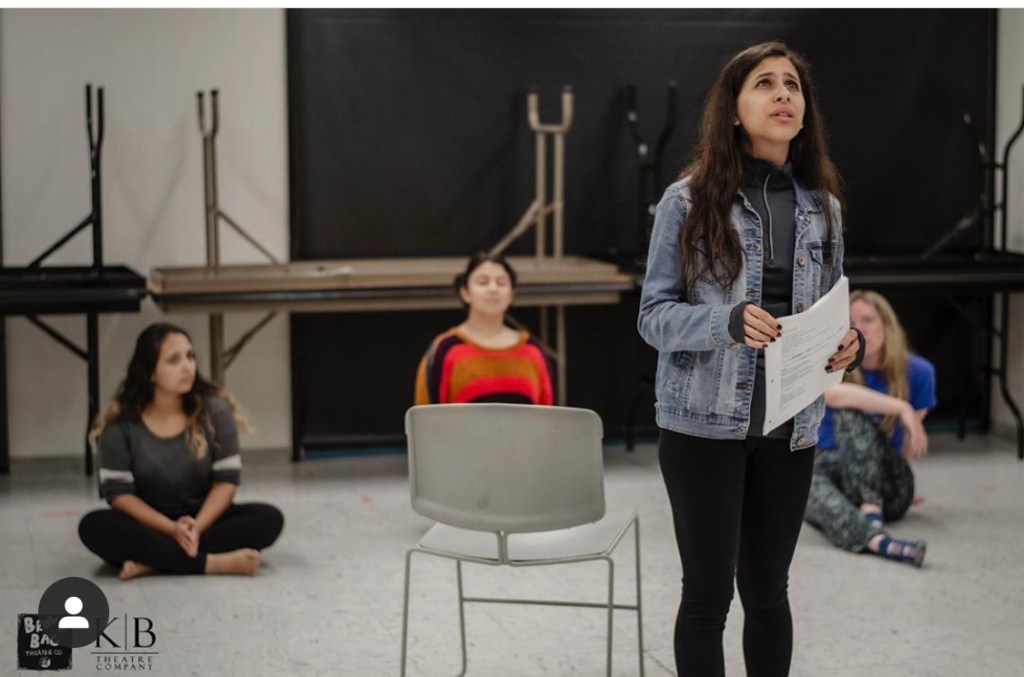
While viewing the rehearsal, I knew that the dancers could sense my discomfort and awkwardness, but they were willing to welcome me with open arms into their space. With that observation, I honed in on that idea of community and how close and accepting they all are to each other. Being such a concentrated major, they constantly see and interact with the same people everyday, forming a deep connection that allows them to work together in a way that flows in a natural, comfortable rhythm. With more of an academic based major, that sense of community isn’t as apparent and tends to be more rigid, as emotion and art is obviously not a prevalent subject that is focused on. Sharing that kind of message and story seemed to bring them together in a way where they all want to share this story to the best of their ability.
I spoke to my sister about what she thinks sets them apart from other majors on campus. She agrees that, “There’s so few of us in comparison, and there is a communal sense of passion and hard work between all of us. We are all working towards similar goals. Artistic people tend to have a different mindset that allows us to connect on a different level. Having a body and mind connection and awareness sets us apart from other people.”
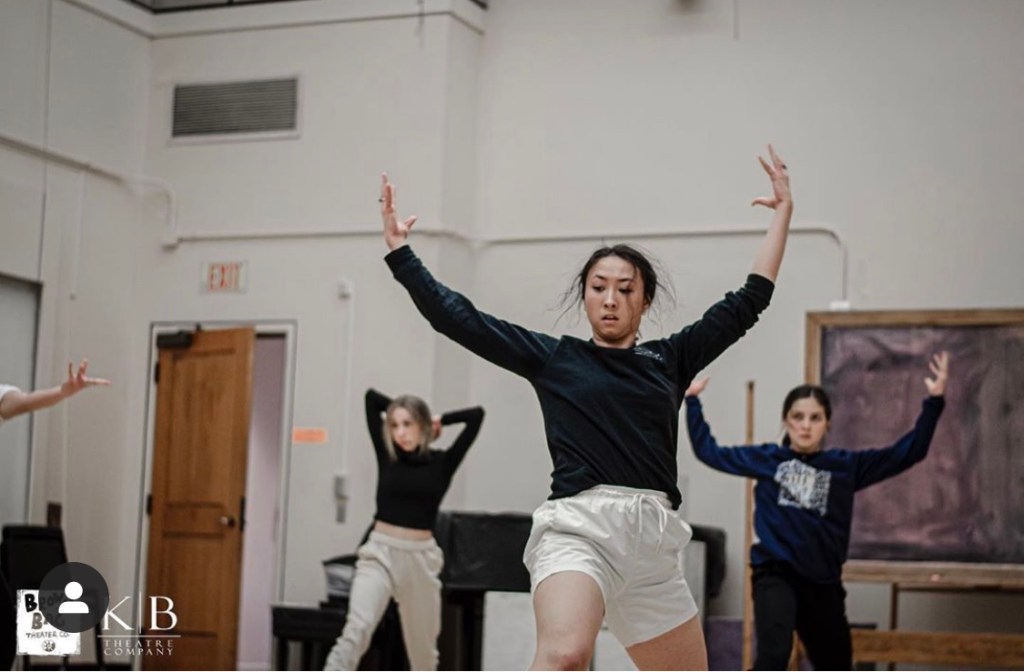
Another aspect that I noticed was that they wanted to get my perspective on the show, being an outsider who isn’t exposed to dance. That led me to think about the differences between the mentality of a dancer, and those of someone who is not immersed in that lifestyle. These dancers come up with intricate ways of portraying some message, through movement, in hopes that the audience can somehow connect and feel the impact of their message. They are constantly exercising their brains to create, and think about every single detail and what it could be adding to or taking away from their story. This is only part of the time and energy that goes into being a dance major. Piper, my sister says that, “Time commitment is probably the hardest thing compared to other majors; it’s not just class, its shows, grad theses, rehearsals, extra projects, etc.” The UCI website shares that not only do they have to spend a great deal of time dedicated to choreography and shows, but they also have to take classes like kinesiology, dance history, and dance health and injury prevention. Even as we were growing up, I noticed the extensive time commitment, as my sister would leave home early in the morning and come back very late at night, along with weekend long conventions to supplement practice. My major takes hard work as well, but is definitely more assignment based, with lots of sitting, note taking, lab analysis, and experiments. We both work hard for what we want, but just have to accomplish in different ways.
There is an article from The Panther titled, “Recognize the Complexities of the Dance Major” written by Camryn Eakes that dives into the misconceptions many people have about this major. She discusses how intensive it is, and is not as “easy” as everyone supposes it is, constantly revealing her true feelings and experiences everyday to her peers, and instructors which is a very taxing thing to do. She connects it to a science majors life, saying that, “Studio time is our lab, our calculator, our pen and paper.” Dancers have to be present, mind and body, and give it their all every single day, and they can’t get away with just “showing up” in order to achieve what they want.
Many years ago, I used to be a very competitive gymnast, where I also felt the pressure and rigor that my sister experiences. Retiring from gymnastics after 9 years, has clouded my awareness of the difficulty of the position she is in, not only to balance the vigorous physical strain, but also having to deal with the mental complexities. I truly realized my sister’s passion for dance when she decided to forego the traditional high school experience, and transition into homeschool in order to prioritize dance.
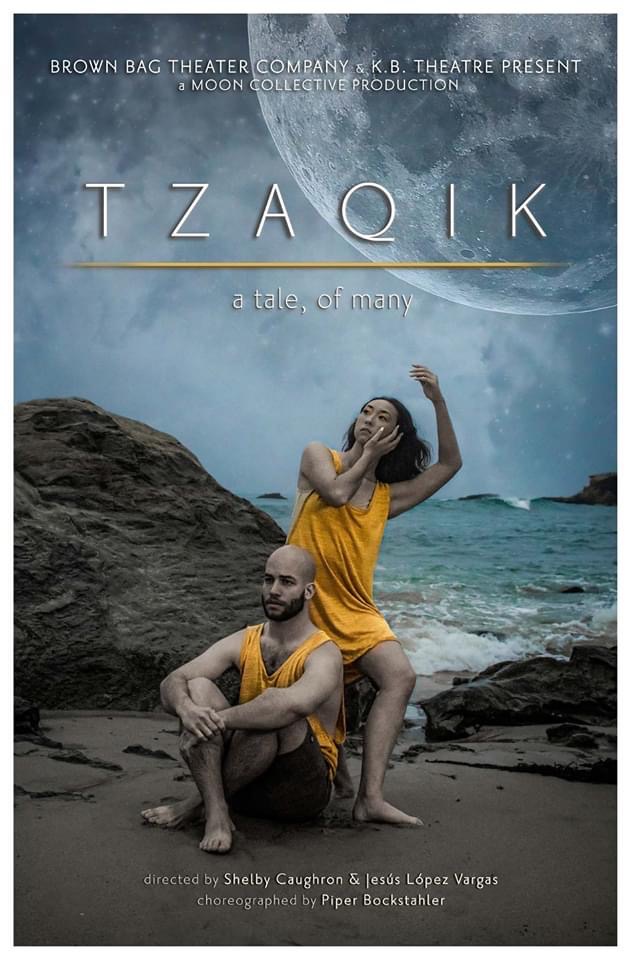
Dance is very interpretive. Through watching the Tzaquik rehearsal, I noticed that certain parts were easier for me to understand, while others were harder to pinpoint the direct message. The director summarized in the program the inspiration behind the show, but wouldn’t reveal anything else, wanting the audience to interpret everything else based on their own ideas. But that’s the point of dance; every person gets something different out of it. Piper said when they put on a performance she wants the audience to be “…provoked emotionally or walk away with a new perspective on certain topics. Actually, the best reaction is when the audience has questions or new reflective thoughts.” With non artistic majors, everything is very direct, and straight to the point. There is only one distinct answer, in addition to supplying evidence or work to prove that answer. You either know your material or you don’t, and you are graded upon that. It is time consuming in a different way, as it takes time to determine all of the steps required, and then give analysis to results. A dancer’s grade is very subjective, and very personal; to be honest they probably have a much thicker skin to be able to receive all of the critique daily. I can see how being told something is wrong with your body, or that your ideas are not good enough can take a toll on a dancer’s confidence and ego.
By viewing this performance, I was able to distinguish the differences between going to school with an art based study versus a science major. Before my sister had gone to school for dance, I had no idea that it could even be offered. Growing up with a dancer, I didn’t fully understand the concept of how much physical and mental work really goes into being a dancer, and the balance they have to achieve to succeed. Not only did this help me realize the time, effort, bruises, sweat and blisters that go along with what she does, but I hope that this sheds some light onto a subject that isn’t widely understood or known about. I have such a respect for the unique mindset a dancer must develop, the connection that they have with their emotions, and the passion they have behind the messages that they want to share with their audience.
Currently, Cov-19 has made adjustments to our academic curriculum. More importantly, these dancers have been stripped of the opportunity to perform this piece in front of a live audience. As stated earlier, dancers rely on the physicality, emotion and energy that is drawn from each dancer as they work together and connect with their viewers. They have been asked to cancel the entire production, which has been very defeating. This proves that this dance community thrives on emotion and physical communication and contact, whereas for a normal academic based student, classes have simply transferred online… emotions intact.
Original Autoethnography
Traveling to a new place can be intimidating, but can also be an enlightening learning experience. That new place for me was observing a glance of a dance major’s life; a rehearsal for a production being held at UC Irvine’s art program called, Tzaquik.
Walking into the rehearsal room, I felt very out of place, like I was intruding on something very special. However, I immediately felt a sense of community, and togetherness, all of them stretching in a circle, and discussing how the next hour and a half run through was going to go. These dancers were so different from my peers, dressed in sweats with one pant leg rolled up to their knee the other one down, socks black on the bottom from sliding their feet across the floor, hair falling in their faces, due to the intensity of their movement. The room was similar to a studio, small and cramped, but they worked with what they could, the smell of sweat and perfume lingering. There were mirrors along the side of one wall, the outer edges completely fogged up from the sweat and heavy breathing. I squeezed myself far into a corner, far out of view from the recording camera, where I observed and took notes. While viewing the performance, I was overwhelmed, reacting to the intense music, and the emotive movement. I am only familiar with looking at a whiteboard and computer screen all day. It allowed me to view a piece of work that unfolded before me, and held meaning and purpose, rather than numbers or facts.
Through my observations, I was able to see, first hand, the work and process that goes into choreography, staging, music selection and much more. I was able to compare it to my everyday life of being a physiology major. By interviewing my sister and doing some research, I was able to dive deeper into the mind set behind being a dancer. I learned what they have to go through daily, and what it means to study that subject, versus a more academic based subject. I saw that as college students we are all striving to earn a degree, but the journey is very diversified and is a unique experience for each student based on the level of excellence no matter what subject.
I have seen many dance performances, however, they were the final outcome or production of the work. It was most interesting to see the raw process, the real effort that it takes to produce a cohesive show and effectively produce a message, all while keeping the audience’s attention. Not only must the director and choreographer adhere to their own vision, they also have to consider the reaction and perception of their audience. There have been times where I have gone to see a show where I had felt no connection at all, and yet there have been other times where I would be fully absorbed, emotional and crying by the end. The rehearsal revealed the amount of people that are needed to create and produce this type of show; it is a way to bring people from all different artistic majors together and form a collaborative process that helps all of them learn. This was my sister’s first time working together with actors and dancers, another interesting aspect to view in how a director and choreographer need to make decisions about what needs to happen. It seems more difficult than just working in a group lab, as the topic at hand is a more touchy, personal subject that has to be dealt with greater sensitivity.
While viewing the rehearsal, I knew that the dancers could sense my discomfort and awkwardness, but they were willing to welcome me with open arms into their space. With that observation, I honed in on that idea of community and how close and accepting they all are to each other. Being such a concentrated major, they constantly see and interact with the same people everyday, forming a deep connection that allows them to work together in a way that flows in a natural, comfortable rhythm. With more of an academic based major, that sense of community isn’t as apparent and tends to be more rigid, as emotion and art is obviously not a prevalent subject that is focused on. Sharing that kind of message and story seemed to bring them together in a way where they all want to share this story to the best of their ability.
I spoke to my sister about what she thinks sets them apart from other majors on campus. She agrees that, “There’s so few of us in comparison, and there is a communal sense of passion and hard work between all of us. We are all working towards similar goals. Artistic people tend to have a different mindset that allows us to connect on a different level. Having a body and mind connection and awareness sets us apart from other people.”
Another aspect that I noticed was that they wanted to get my perspective on the show, being an outsider who isn’t exposed to dance. That led me to think about the differences between the mentality of a dancer, and those of someone who is not immersed in that lifestyle. These dancers come up with intricate ways of portraying some message, through movement, in hopes that the audience can somehow connect and feel the impact of their message. They are constantly exercising their brains to create, and think about every single detail and what it could be adding to or taking away from their story. This is only part of the time and energy that goes into being a dance major. Piper, my sister says that, “Time commitment is probably the hardest thing compared to other majors; it’s not just class, its shows, grad theses, rehearsals, extra projects, etc.” The UCI website shares that not only do they have to spend a great deal of time dedicated to choreography and shows, but they also have to take classes like kinesiology, dance history, and dance health and injury prevention. My major takes hard work as well, but is definitely more assignment based, with lots of sitting, note taking, lab analysis, and experiments. We both work hard for what we want, but just have to accomplish in different ways.
There is an article from The Panther titled, “Recognize the Complexities of the Dance Major” written by Camryn Eakes that dives into the misconceptions many people have about this major. She discusses how intensive it is, and is not as “easy” as everyone supposes it is, constantly revealing her true feelings and experiences everyday to her peers, and instructors which is a very taxing thing to do. She connects it to a science majors life, saying that, “Studio time is our lab, our calculator, our pen and paper.” Dancers have to be present, mind and body, and give it their all every single day, and they can’t get away with just “showing up” in order to achieve what they want.
Dance is very interpretive. Through watching the Tzaquik rehearsal, I noticed that certain parts were easier for me to understand, while others were harder to pinpoint the direct message. The director summarized in the program the inspiration behind the show, but wouldn’t reveal anything else, wanting the audience to interpret everything else based on their own ideas. But that’s the point of dance; every person gets something different out of it. Piper said when they put on a performance she wants the audience to be “…provoked emotionally or walk away with a new perspective on certain topics. Actually, the best reaction is when the audience has questions or new reflective thoughts.” With non artistic majors, everything is very direct, and straight to the point. There is only one distinct answer, in addition to supplying evidence or work to prove that answer. You either know your material or you don’t, and you are graded upon that. It is time consuming in a different way, as it takes time to determine all of the steps required, and then give analysis to results. A dancer’s grade is very subjective, and very personal; to be honest they probably have a much thicker skin to be able to receive all of the critique daily. I can see how being told something is wrong with your body, or that your ideas are not good enough can take a toll on a dancer’s confidence and ego.
By viewing this performance, I was able to distinguish the differences between going to school with an art based study versus a science major. Before my sister had gone to school for dance, I had no idea that it could even be offered. Growing up with a dancer, I didn’t fully understand the concept of how much physical and mental work really goes into being a dancer, and the balance they have to achieve to succeed. Not only did this help me realize the time, effort, bruises, sweat and blisters that go along with what she does, but I hope that this sheds some light onto a subject that isn’t widely understood or known about. I have such a respect for the unique mindset a dancer must develop, the connection that they have with their emotions, and the passion they have behind the messages that they want to share with their audience.
Original Re-Write Article Blog Post
Instagram is a very impactful platform to be able to share ideas about fashion, travel, food, politics, and so much more, and the way these ideas are communicated can be very controversial. This occurs especially when it comes to traveling to a certain place and representing it in the best way possible.
One account that I have been following for a while now, a fashion blogger named @tesschristine, not only posts about fashion, but she is also seen posing in many exotic, far away travel destinations. She has a very large audience, mostly younger girls who are inspired by fashion.
She has spoken about how her job allows her the ability to travel and reveal her experience with her audience. But when she does make posts highlighting these places, it’s normally a photo of her, in a classic, stereotypical scene based on the city or country she is in. In a series of photos from Hawaii, she is seen posing on top of a Jeep, and in another she is standing in front of the beach during a sunset, with a “wind blown” hair-do. And when traveling to places like Washington, she posts a photo of her shopping in Pike Place Market, and standing next to the gum wall, both of these things being expected, touristic places to visit. Her interpretation of these places play into the societal standards we have associated with them, and the things we absolutely have to do when we go there, not showing us the full spectrum, of experience.
To make the post of her traveling to Washington more sensitive and inclusive, she could post photos of herself interacting with vendors in the market, and speaking with them. I always see people post photos in front of the market, but never actually see the inside where all of the culture exists. She could also post photos that aren’t super touristic, and ones that showcase the everyday lives of the people living there, allowing for the diversity of a place to shine through. Being a fashion blogger, she could post a photo of herself in certain clothing in the first, and then in the other photos, have more scenic views of the place in order to highlight the clothing, but also the place she is traveling to.
In her post regarding Hawaii, she only showed herself on a Jeep and in front of the beach, her audience barely able to see the actual island itself. She could show herself trying something new, like trying a native food, going on a hike, participating in a cultural experience, or speaking to an islander. These posts influence anyone who is thinking of traveling to these places, and she should be showing the full experience of the island, and not just the idea that there are beaches and rentable jeeps. This plays into the ideas of Orientalism, as it construes the image of a place to be a certain way based off pre-made stereotypes. It could also be interesting to shoot a short video of doing something on the island, making it easier for the audience to connect with what she is doing.
These revised posts would be more inclusive as they aren’t based on the stereotypes that society has created. They are able to allow her to take other peoples experiences into account, and still do her job of showcasing certain fashion trends. It highlights the actual place she is traveling to and the people who live there, showing that there is more than what her audience might think there is. Research and actual experience is very important to share on such a large platform, as well as understanding the influence that you have.
Original Multimodality
Creators consistently use a very impactful tool called multimodality. In utilizing this tool, they capture the attention of their audience and stimulate all of their senses to communicate their message in the most efficient way possible. Multimodality incorporates a variety of resources including photos and diagrams, bright colors, font styles, and music to create a piece of work that makes the experience fully and sensorially enjoyable. (“Multimodality”)
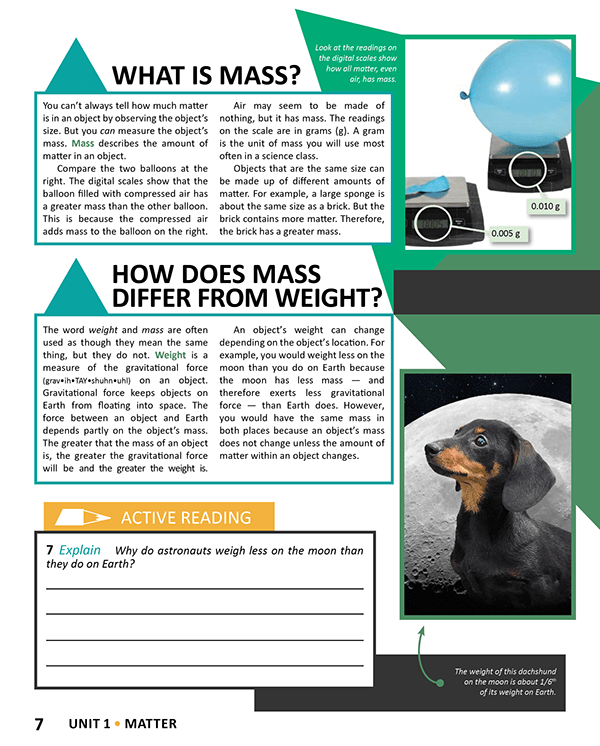
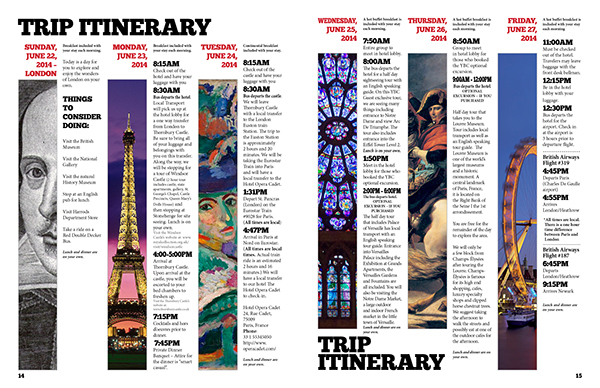
After watching the United Airlines Safety Video, I experienced the effect of multimodality and how it can be used to negatively impact the communication of a message. The efforts of an airline safety video is to emphasize proper behavior one should have when on the aircraft, how to handle yourself during an emergency, and where to find the materials needed to deal with the emergency. Although video of this nature can be pretty boring, yet informative, it must be provided to ensure the safety of everyone on board.
Due to the stigma that most safety videos have, United saw the opportunity to make their safety video more stimulating, while capturing the culture of the many places they travel. Throughout the video, the flight attendants read off all of the normal safety procedures, but to a background of different countries. In one shot, an attendant was talking about smoking in the aircraft in an Indian Market, while another spoke about breathing masks in a German celebration. I think that United had positive intentions in mind, but I don’t think the two messages go hand in hand.
The video barely referenced the actual aircraft and where certain safety features would be located. The background in each instance was very distracting with bright colors and loud sounds, making it difficult to focus on what they were saying, especially in the opening scene during the festival.
They also played into very stereotypical aspects of each country that was mentioned and didn’t fully represent all who live and travel to these different countries. It was very commercialized, playing into the fun, exciting moments of traveling and were focused on the tourism aspect. Even though they utilized multimodality, the execution wasn’t effective for the topic at hand. Multimodality is about using different representations or modes of communication to stimulate the interplay of a specific idea.
In a multimodality article from College Composition and Communication, it states, “reminds us… of the many ways we create meaning.” (Multimodality) I think that United actually took away from the meaning of the video as well as the interpretation and intention of the video. It did not effectively inform the passengers of what to do in an emergency situation. The language and tone of this video definitely did not encompass the seriousness of the topic; as the article, “Concepts we Live By” says,”We act according to the way we see things.” (Lakoff, Johnson 5)
The casualness of this video doesn’t stress the seriousness of being knowledgeable about safety enough to make an impact. Multimodality is meant to enhance a piece of work, and intertwine the uses to express one united message. This video blurred the execution and the message. Very ineffective.
 Travel with Chloe